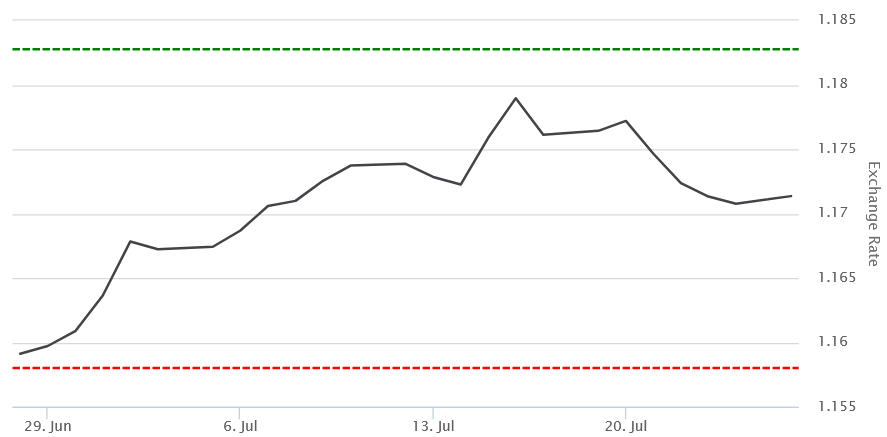
Compared to a month ago, sterling is looking good against the euro at 1-1.5% above where it spent most of last year. However, the past week to ten days has seen it drift, as the markets rethought the Burnham bounce and, perhaps more relevantly, war in the Middle East restarted.
Overall, it’s in reasonable shape after a turbulent month. The domestic news last week was genuinely encouraging. Inflation fell further than expected and British consumers spent at nearly three times the pace forecasters had predicted.
Friday also brought us the Purchasing Managers Index (PMI), a global reading of business mood. The readings for the service industries were particularly optimistic, with the UK, eurozone and USA all showing a marked increase in optimism and a reversal from last month’s pessimism.
The glitch is that it may have been based on old news. The conditions that led to lower inflation and higher business hopes disappeared last week as the oil price briefly crossed $100, with the Strait of Hormuz closed to normal traffic and the Houthis threatening the Red Sea route too. The Bank of England will be watching that detail very carefully when it meets on Thursday.
The European Central Bank held rates at 2.25% last week, as expected, but president Christine Lagarde let slip that some of her colleagues had pushed for a hike. September is clearly still on the table. For now, the interest rate gap between the Bank of England at 3.75% and the ECB at 2.25% remains firmly in sterling’s favour – which is the main reason the pound has been so strong against the euro this month.
This week, the US Federal Reserve announces on Wednesday evening and the Bank of England (BoE) on Thursday lunchtime. The markets are still betting against a hike, but that’s far from guaranteed. Two members of the BoE’s rate-setting committee already voted to raise rates in June.
This would probably be good for sterling, but the big question this week is whether the oil story gets better or worse. A diplomatic signal from Tehran or Washington could send prices tumbling and give central banks room to breathe. Another escalation could push prices back above $100 and force the Bank of England’s hand. Either way, the pound is unlikely to stand still.
Make sure any upcoming transactions are protected against the risks of sudden market movements. Secure a fixed exchange rate now with a forward contract; call your Business Account manager on 020 3918 7255 to get started.
Inflation lower than expected, retail sales miles above forecast, PMI positive, new prime minister in place – sterling has had a good run of domestic news. But oil price rises are a future inflation risk. Thursday's Bank of England forecasts are the week's key event for sterling, with a shop inflation reading tomorrow the curtain raiser.
EUR: Hawkish pause, September live
The ECB held last Thursday but Lagarde made clear some policymakers wanted to hike, leaving September firmly open. The euro found a little support from that tone, though it remains well below sterling. The large gap between UK and eurozone interest rates is still doing the work that keeps the pound strong against the single currency. Coming up with week in the eurozone – GDP readings on Thursday.
USD: Warsh in the spotlight
The Fed is almost certain to hold rates on Wednesday, but Warsh's press conference is what markets are really waiting for. Oil back above $95, with core inflation still sticky, gives him plenty to look concerned about. Even a slightly hawkish tone would firm the dollar and put fresh pressure on the pound heading into Thursday's Bank of England decision.
Below you will find the current live exchange rates and movements in the currency markets. Please note that these rates are only accurate at the time of sending and should be used as an indication only.