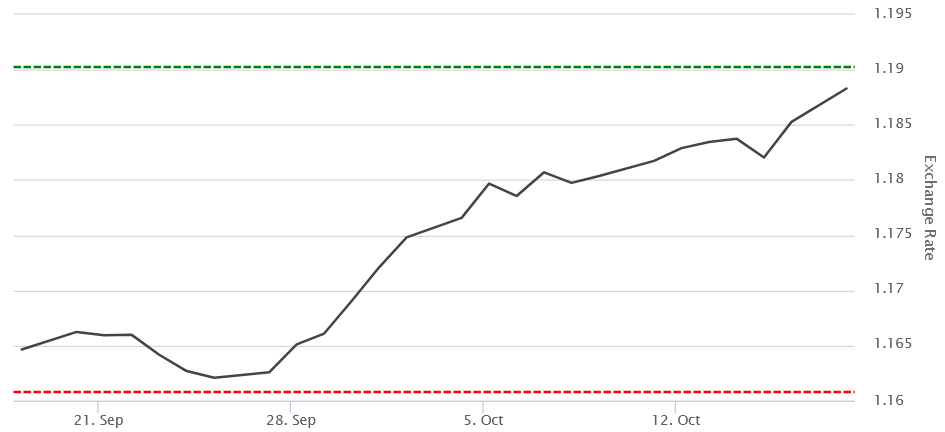
Sterling begins another week with the wind very much in its sails. As of this morning, the pound has reached a fresh 17-month best against the euro, having strengthened by over a cent across last week against the US dollar.
As is so often the case when it comes to currencies, the story behind this was one of shifting interest rate expectations. In the UK, the path would appear to be higher, while traders took comments by the Federal Reserve’s chair as a signal that it would leave rates unchanged next time out. Worries about French government finances have presented a formidable barrier to the euro at the same time.
This week will certainly test the pound. Key UK economic data arrives in the form of unemployment (tomorrow), inflation (Wednesday), retail sales and October’s purchasing manager’s index (Friday). It is a quieter spell for American figures, given the blackout period ahead of the next Fed meeting.
There will also be plenty of focus on AI names after last week’s stock market losses. Ironically, strife there actually helped to drive down borrowing costs across the globe, easing a little pressure on government finances.
Speaking of which, the chancellor continued to pledge restraint ahead of the rapidly approaching autumn Budget (28 October.) John Healey signalled he would raise taxes on bank profits, a move critics suggested would be unnecessary if the government were to cut spending instead.
Energy costs continue to give governments across the world a real headache. The global benchmark brent crude oil index opens the week around $108 to the barrel as risks in Europe and the Middle East build.
China’s economy grew by an annualised rate of 4.5% in the third quarter of this year, according to preliminary figures published this morning. That marked an increase in output from last quarter and ever so slightly exceeded expectations of a 4.4% expansion.
The pound’s torrid run ended swiftly in the back half of last week. Unexpectedly resilient growth data certainly helped, but it was increased interest rate expectations that really did the trick. Currency markets now overwhelming believe the Bank will increase rates to 4% at its November meeting, although this week’s busy schedule of data does present a risk to its present standing.
EUR: Can Germany provide respite?
Much of the recent euro commentary has focused on France, and for good reason. The next few days at least present a chance for the German economy to break some of that gloom. Tomorrow’s economic confidence index and Friday’s PMI data look to be the main opportunities for the euro to recover.
USD: Dollar dented
The US dollar slid sharply back from its recent highs to end last week. Economists had claimed the US dollar had become a tad overvalued, but now the risk is the trend reverses. If that comes to pass, the dollar could fall further as the AI trade teeters and markets unwind some of their more aggressive interest rate bets.
Below you will find the current live exchange rates and movements in the currency markets. Please note that these rates are only accurate at the time of sending and should be used as an indication only.